
Why Sports Recovery Matters After A Car Breakdown On The Road
The feeling of a steering wheel getting heavy or a sudden silence from the engine is enough to make any driver's heart sink. One minute, you are keeping up with the flow of traffic, and the next, you are desperately looking for a gap in the lanes to pull over. It is a vulnerable moment that transforms a routine drive into a high-stakes problem-solving exercise.
While many people think of roadside assistance as a one-size-fits-all service, the reality is that different vehicles and different situations require very specific tools to ensure everyone stays safe and the car remains undamaged.
What Happens When A Car Breaks Down Unexpectedly
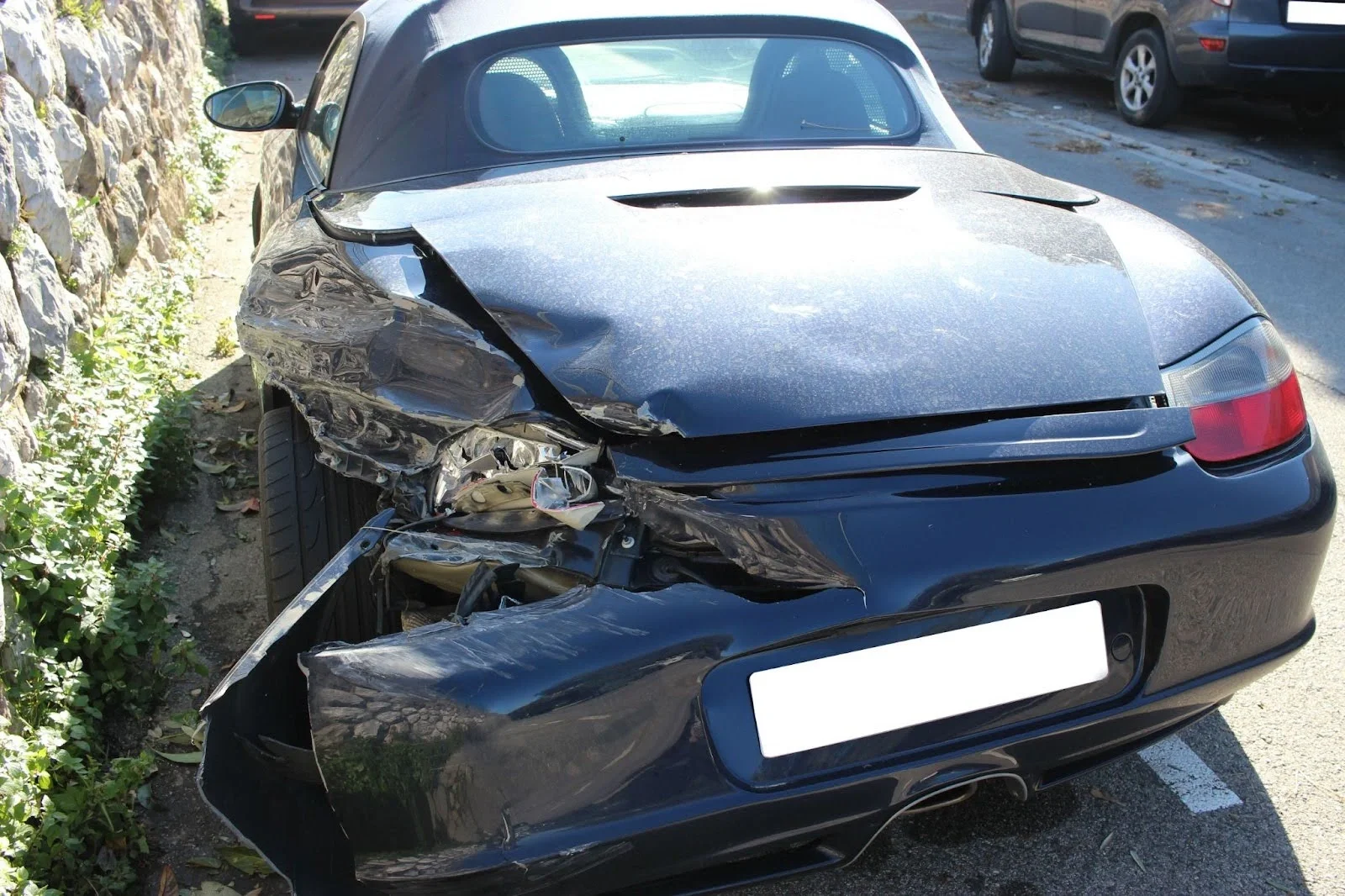
The immediate aftermath of a vehicle failure is often a mix of confusion and genuine danger. When a car stops working on a busy road, the driver is forced to deal with a high-stress environment where every passing vehicle represents a potential risk. This is particularly true on highways where speeds are high, and visibility might be low. The margin for error is slim, and standing by the side of a road is one of the most vulnerable positions a person can find themselves in.
When the engine dies, your primary focus shifts from reaching your destination to surviving the next thirty minutes. The noise of passing semi-trucks can be deafening, and the wind they generate can actually rock a stationary car. In these moments, standard roadside help might not be enough. If you are in a live lane or a narrow shoulder, you need a professional who can clear the scene with precision.
5 Immediate Actions to Take When Your Engine Fails:
Signal Early: Use your remaining momentum to get as far off the road as possible, preferably on the left shoulder (or right, depending on the country).
Turn on Hazard Lights: This is your first line of defense to alert other drivers that you are a stationary object.
Exit Safely: If you can safely get out of the car and behind a crash barrier, do so. Never stand between your car and the flow of traffic.
Call for Professional Help: Don’t spend twenty minutes trying to fix it yourself if you are in a dangerous spot.
Keep Wheels Turned: If you are on a shoulder, turn your wheels away from the road so that if you are hit from behind, the car isn't pushed into traffic.
What Sports Recovery Means In Roadside Assistance
Many people hear the term and think of physical therapy or athletic clinics, but in the automotive world, it carries a very different meaning.
The Meaning Of Sports Recovery In Vehicle Assistance
This specialized service focuses on the safe transport and handling of high-performance, luxury, or low-clearance vehicles that cannot be moved by traditional towing methods.
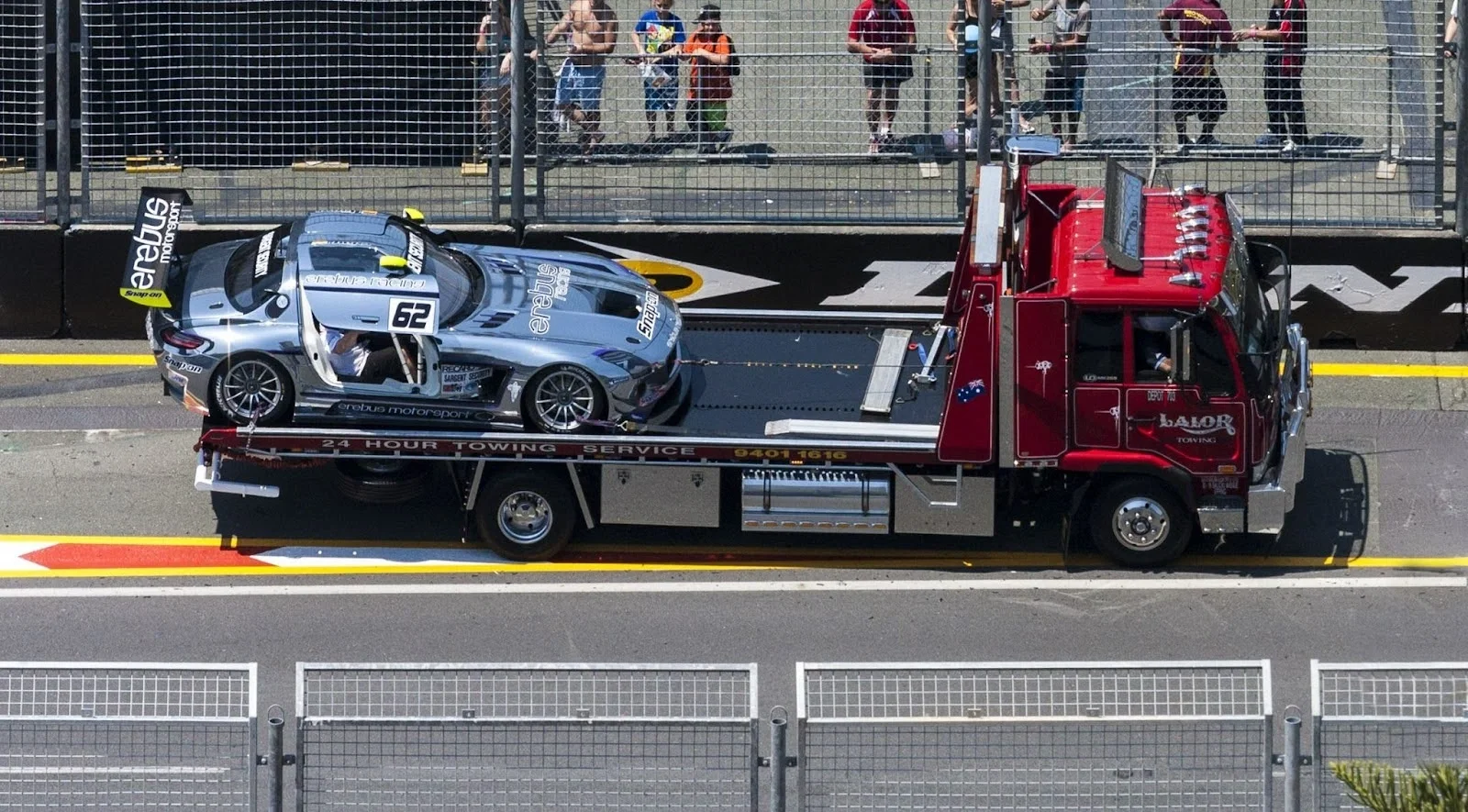
When dealing with high-end machinery, sports recovery ensures that the unique dimensions and sensitive components of the car are protected during the transit process. Standard towing equipment often relies on hooks or chains that can damage the underside of a sleek vehicle. In contrast, this specialized approach uses flatbed technology and soft-tie strapping systems to ensure the car remains in the exact condition it was found, despite the mechanical failure.
This isn't just about luxury; it’s about the physics of the vehicle. A car with a low spoiler or a custom body kit will be ripped apart by a traditional "hook and chain" tow truck.
How Sports Recovery Differs From Standard Roadside Assistance
Standard assistance is generally designed for the "average" commuter vehicle—cars with standard ground clearance and sturdy frames. However, high-performance cars require a more nuanced touch.
Utilizing sports recovery means employing technicians who understand the weight distribution and fragile bodywork of premium automobiles. It is less about just moving a car from point A to point B and more about the precision involved in the loading and unloading process. This level of care is essential for owners who have invested significantly in their vehicles and want to avoid any incidental damage during a breakdown.
4 Reasons High-End Vehicles Require Specialized Lifting:
Ground Clearance: Many sports cars sit only a few inches off the ground, requiring specialized low-angle ramps.
Aluminum Frames: Traditional towing hooks can bend or crack modern lightweight frames.
Electronic Parking Brakes: If the car loses power, the wheels may lock, requiring a flatbed rather than a tow.
AWD Systems: Many performance cars cannot be towed with two wheels on the ground without destroying the transmission.
The Most Common Causes Of Roadside Breakdowns
Understanding why vehicles fail can help drivers stay prepared, though some issues are unavoidable regardless of maintenance.
Mechanical Failures
Even the best-maintained engines have parts that can fail without warning. This category includes everything from transmission slips to engine overheating. Cooling system failures are particularly common during the summer months when the heat puts extra strain on the radiator and hoses. When a water pump snaps or a belt breaks, the engine can reach terminal temperatures in minutes, forcing an immediate stop.
Electrical Problems
Modern cars are computers on wheels. A blown fuse, a dead alternator, or a faulty battery can leave a driver stranded in seconds. When the electrical system fails, often the steering and braking assist fail too, making it impossible to move the car manually. In these instances, you cannot simply "pop the clutch" or jump-start your way out of the problem; you need a professional recovery truck to intervene.
Accidents Or Road Hazards
Debris on the road or a sudden collision can immobilize a vehicle instantly. Even a deep pothole can bend a rim or snap a suspension component, leaving you stuck in a lane. Road hazards are unpredictable, and the damage they cause is often structural. This makes it impossible to drive the car even a few feet, necessitating a total lift-and-carry solution to clear the roadway.
Why Fast Vehicle Recovery Is Important For Driver Safety
Speed is the most critical factor when a breakdown occurs. A stationary vehicle on a highway is a stationary target. Even with hazard lights on, other drivers may not notice the stopped car until they are dangerously close. Fast intervention is not just a matter of convenience; it is a fundamental safety requirement.
When a professional recovery truck arrives on the scene, it provides a physical barrier between the stranded driver and the flow of traffic. The presence of amber flashing lights and a large service vehicle signals to other motorists that they need to move over and slow down. This protective "buffer" is vital for the safety of everyone involved. Beyond the immediate physical protection, quick removal of the vehicle helps maintain the flow of traffic, preventing the bottlenecks and "rubbernecking" that often lead to further fender benders.
Situations When A Car Recovery Truck Is Needed Immediately
There are specific scenarios where you cannot afford to wait for a friend with a tow rope or a basic service call. An actual car recovery truck is necessary when the situation is beyond a simple "quick fix."
Vehicle Cannot Be Driven Safely: If the brakes are spongy, the steering is locked, or there is smoke coming from the hood, the car must be lifted off the road entirely. Attempting to drive a compromised vehicle is a recipe for disaster.
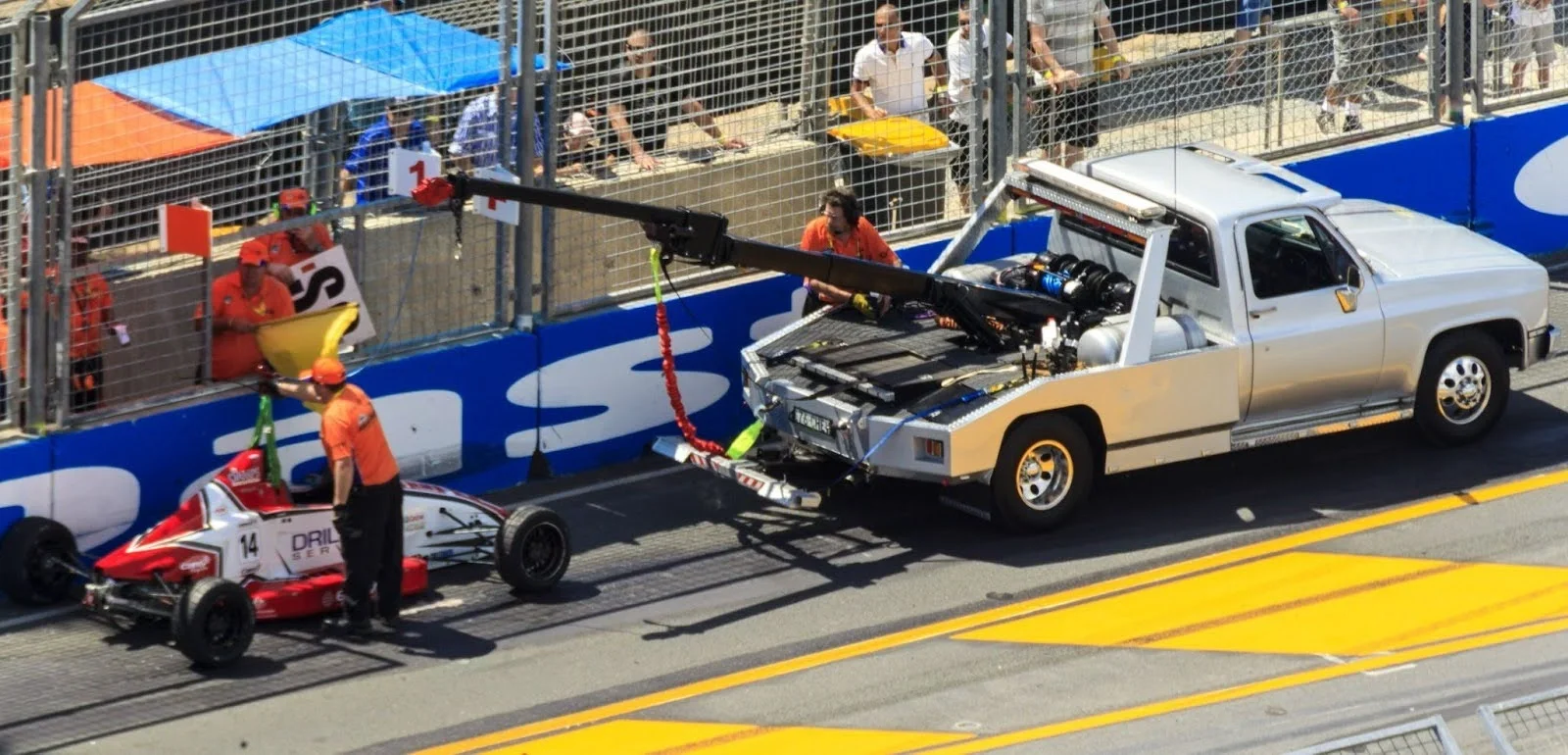
Vehicle Is Blocking Traffic: If a car dies in a live lane and cannot be pushed to the shoulder, it creates an immediate emergency. In these cases, the authorities and the driver need the vehicle cleared as fast as possible to prevent a pile-up. This is where a car recovery truck excels, as it can quickly winch the vehicle onto a bed and move it to a safe zone.
Vehicle Is Stuck Or Immobilized: Whether the car has slid into a ditch during a rainstorm or the wheels are locked due to a transmission failure, a specialized car recovery truck with a winch and a hydraulic bed is the only way to retrieve the vehicle without causing further frame damage.
Why Sports Recovery Services Are Essential For Drivers
When a breakdown happens, the priority is to solve the problem with as little stress as possible. Professional retrieval services offer a level of expertise that goes beyond simply moving a heavy object. They provide a sense of security for the driver and a guarantee of care for the machine.
For owners of high-performance vehicles, the stakes are even higher. Using a generic service can result in thousands of dollars in bodywork repairs or alignment issues. That is why opting for sports recovery is a proactive choice in vehicle preservation. It ensures that the specific needs of a low-profile car are met by professionals who have the right ramps, the right tie-downs, and the right experience. It is the difference between a rough haul and a white-glove transport.
Furthermore, the versatility of a modern recovery truck allows it to handle various terrains and tight spaces. Whether a car has failed in a narrow city alleyway or on the side of a rural road, these trucks are designed to maneuver into position and lift the vehicle safely.
The goal is to minimize the time the driver spends waiting in a vulnerable position. By choosing a service that uses a dedicated car recovery truck, you are choosing the most reliable way to get your day back on track.
To wrap up, road safety and vehicle maintenance go hand in hand. While we all hope never to experience a total breakdown, being prepared for the worst-case scenario is a hallmark of a responsible driver. Understanding the difference between basic help and specialized retrieval can save time, money, and most importantly, lives.
3 Key Ways Recovery Services Protect Your Investment:
Damage Prevention: Using specific contact points on the chassis avoids expensive bodywork repairs.
Legal Compliance: Professional operators know how to secure a load so that you aren't liable for debris falling off the truck.
Peace of Mind: Knowing the operator is trained for your specific vehicle type reduces the stress of an already difficult day.